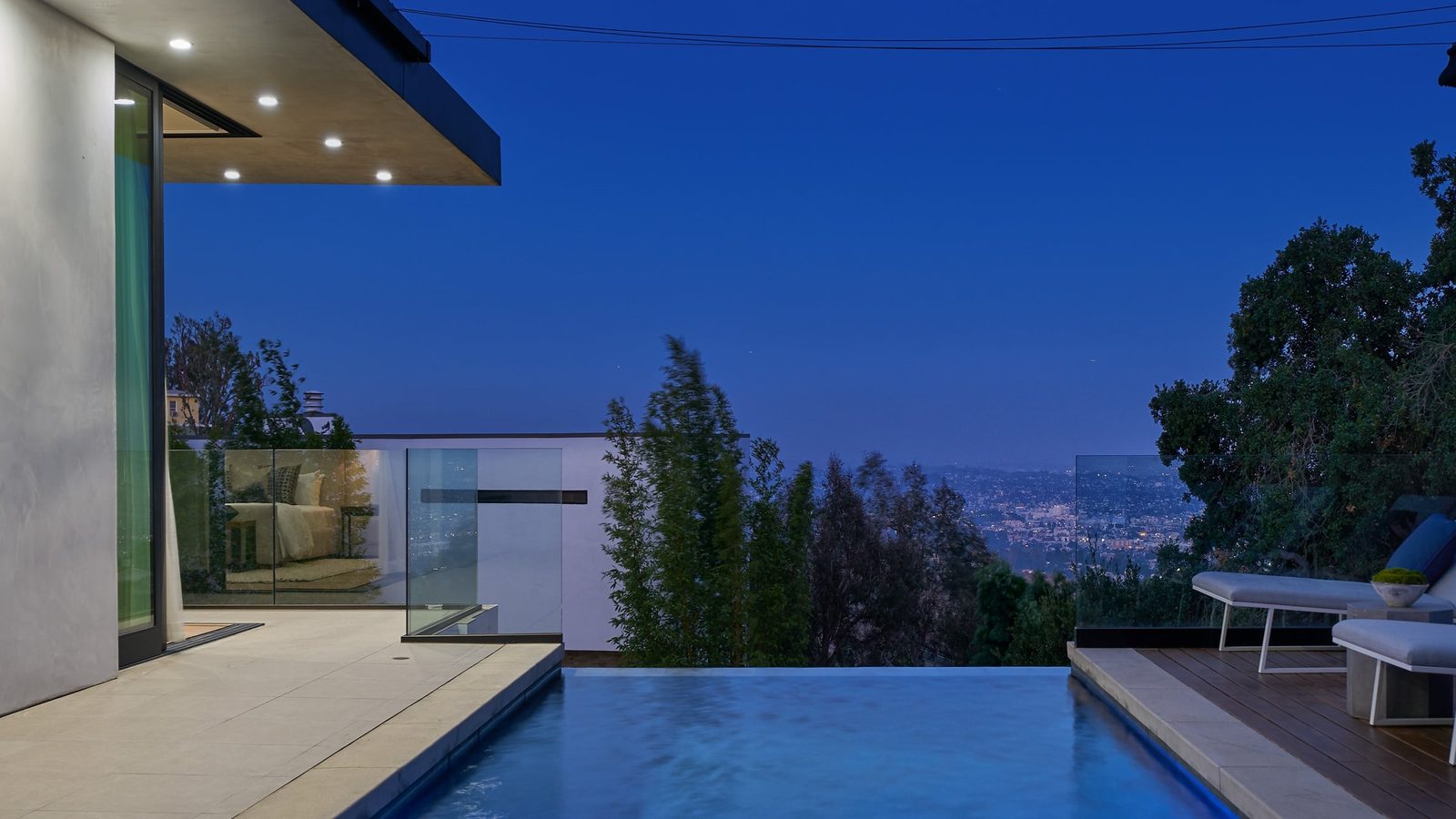
A spec home is a house built on speculation. The builder buys the land, designs the house, and builds it without a buyer under contract — then brings it to market once it is finished or nearly so. The word is short for speculative, and it describes who is carrying the risk rather than anything about the quality of the house.
That distinction matters more than most buyers realize, because it shapes every decision made before they ever walk through the door.
Spec, custom and tract: three different things
The three get used interchangeably and they are not the same.
- A custom home is built for a specific owner, usually on land that owner already holds. They choose the architect, approve the plan, and pay as the work proceeds. They also carry the schedule risk, the cost risk and the decision fatigue.
- A spec home is built by a developer on their own land and their own capital, designed for an informed guess at a buyer rather than a named one. The buyer arrives late, sees a finished product, and takes none of the construction risk.
- A tract home is one of many built to a small set of repeating plans across a subdivision. It is also speculative, but the economics are volume economics, and the plan was not drawn for that particular lot.
The practical difference between a spec home and a tract home is whether the house was designed for the site it sits on. A good spec home answers its lot — the grade, the view, where the light comes from, what the street expects. A tract home answers a catalogue.
Why the risk position changes the house
A developer building on speculation has their own capital in the ground and no buyer to absorb an overrun. That cuts two ways, and buyers should understand both.
It disciplines the schedule, because carrying cost is coming out of the builder’s margin rather than a client’s patience. It also creates an incentive to specify down — to reach for the finish that photographs well and costs less, because no one is standing in the room asking why.
Which of those you get is not a property of spec homes in general. It is a property of the particular developer, and it is legible if you know where to look.
What to actually inspect
The finishes are the easiest thing to assess and the least informative. Look instead at:
- Consistency between the public rooms and the rest. Where the kitchen and primary suite are specified at one level and the secondary bedrooms, laundry and garage at another, you are looking at a house built for photographs.
- What is behind the walls. Panel capacity, mechanical layout, insulation and window specification do not show up in listing photos and are expensive to change later.
- Whether the house sits on its lot or was dropped onto it. Grading, drainage and how the structure meets the slope are the things a site-specific design gets right and a repeated plan does not.
- Who built it, and what else they have built. A developer with a standing body of completed work in the same market is making a different bet than one assembling a single project.
The warranty question
A spec home is ground-up new construction, which means it falls under California’s statutory construction defect framework, SB 800. Our own ground-up new construction carries the TDG Builder Warranty on that basis. Remodels and conversions are not covered by it — workmanship on those is governed by the applicable construction contract — so if a property is being marketed as new but is substantially a renovation, that is a question worth asking directly before you rely on any warranty language.
How we build them
Most of what Thornton Development Group builds is speculative in the technical sense: we acquire the land, design the house, carry the construction, and represent the finished property. What we try not to do is build to a formula. Each project is drawn for its parcel, and the specification is held at one level through the whole house rather than concentrated where a camera points.
You can see the results both ways — what we are building now, and what we have already delivered. If you own a lot and would rather commission the house than buy one, building on your own land is the other side of the same process.