A 1031 exchange lets an owner sell investment real property and defer the capital gains tax by rolling the proceeds into other investment real property. It is one of the few genuinely large levers available to a property owner in California, and it is also one of the easiest to break on a technicality.
What follows is a plain description of how it works and the California wrinkle that catches people. It is general information, not tax or legal advice — the mechanics below are unforgiving enough that you want a qualified intermediary and your own CPA engaged before you sign anything.
What qualifies
Section 1031 of the Internal Revenue Code applies to real property held for productive use in a trade or business or for investment. Since the 2017 Tax Cuts and Jobs Act it applies to real property only — personal property exchanges no longer qualify.
“Like-kind” is far broader than most owners assume. Within investment real estate, an apartment building can be exchanged for raw land, a retail strip for a single-family rental. What does not qualify is your primary residence, or property held primarily for resale — which is why a developer’s inventory generally sits outside it.
The two clocks
Both start the day the relinquished property closes, and they run at the same time.
- 45 days to identify. You must identify the replacement property in writing, unambiguously, within 45 days. There is no extension for a deal falling through, a holiday, or a weekend.
- 180 days to close. You must complete the acquisition within 180 days of that same closing, or by the due date of your return for that year including extensions — whichever comes first. That second clause catches people who close late in the year and do not extend.
Identification is governed by rules worth knowing before day 40: you may identify up to three properties regardless of value, or any number whose combined value does not exceed 200 per cent of what you sold. The 45-day window is the part of the process that actually fails, and it fails because people start looking after closing instead of before.
You cannot touch the money
The proceeds must go to a qualified intermediary at closing and stay there until they are applied to the replacement property. Actual or constructive receipt by the seller — the funds landing in your account even briefly — ends the exchange. Engage the intermediary before the relinquished sale closes, not after.
Any cash or debt relief you walk away with is “boot,” and it is taxable to the extent of your gain. Replacing debt matters as much as replacing equity.
The California part people miss
California conforms to federal treatment, so an exchange of one California property for another raises no special state issue. The problem arrives when you exchange out of California.
If you exchange California property for property located outside California and any portion of the California-sourced gain goes unrecognized, the Franchise Tax Board requires you to file Form FTB 3840 — in the year of the exchange and in every subsequent year until that California-source deferred gain or loss is finally recognized. The requirement has applied to taxable years beginning on or after 1 January 2014, and it reaches individuals, estates, trusts and business entities regardless of residency or commercial domicile. Leaving California does not end it.
The FTB is explicit about the consequence of ignoring it: where the form and a return are not filed, it may issue a Notice of Proposed Assessment adjusting income for the previously deferred gain, with penalties and interest. In other words the state tracks the deferral and expects to collect on it eventually — the exchange moved the property, not California’s claim on the gain.
This is an annual obligation attached to a transaction people mentally close out the year it happens. It is the single most common California-specific failure in an otherwise clean exchange.
Where this touches development
Owners exchanging into new or repositioned residential assets run into the 180-day clock, because construction does not respect it. Improvement exchanges exist and are legitimate, but they are structurally more complex than a straight acquisition and need to be set up with the intermediary at the outset rather than improvised at day 120.
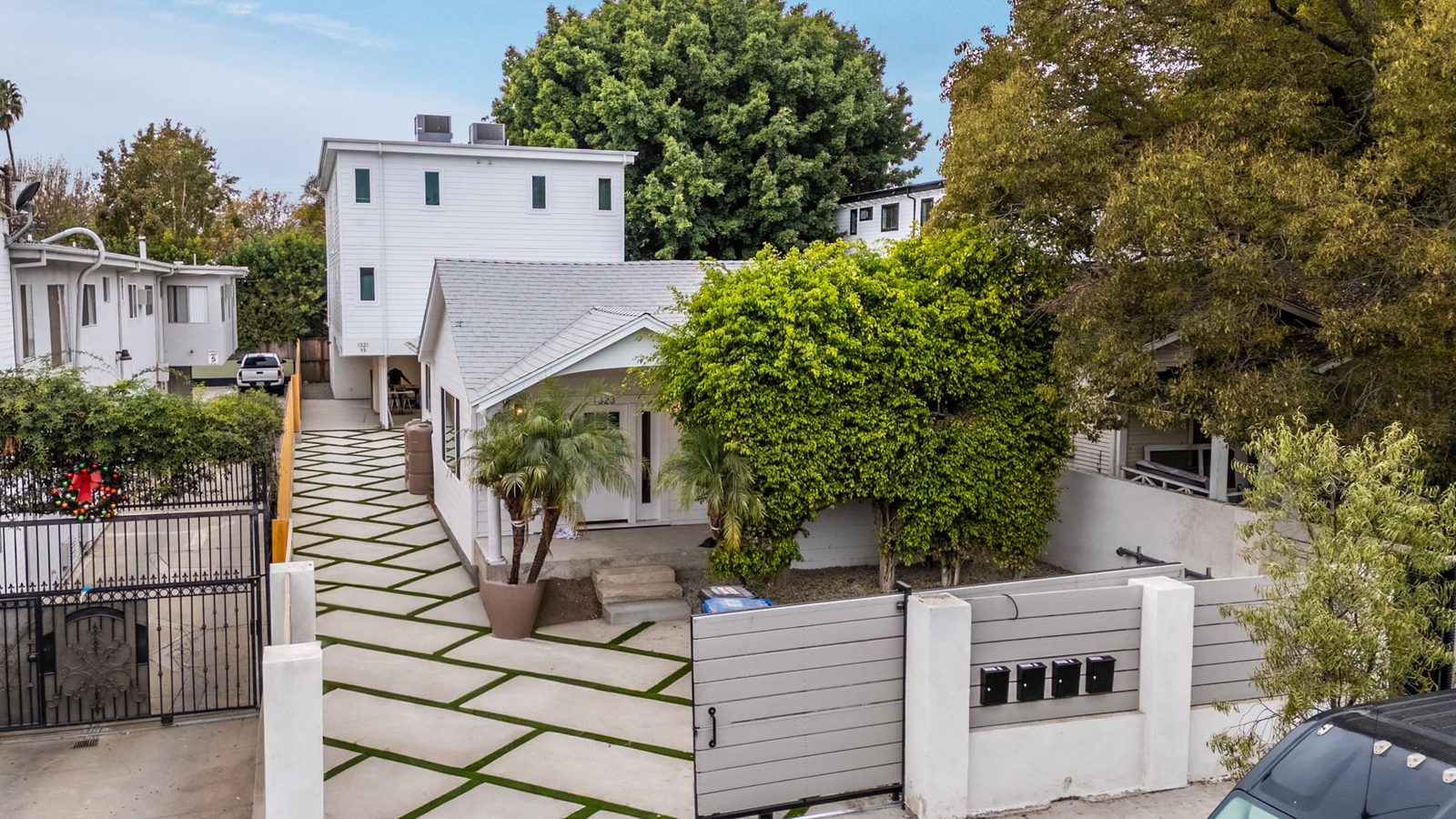
The more common fit is simpler: an owner exchanges into a stabilized asset. “The June IV” in Hollywood is one of ours of that type — a multifamily building with an attached ADU, held as a stabilized rental.
If you are weighing what to do with appreciated Los Angeles property, how we work with capital describes the side of our business this sits closest to, and what we buy covers the other route. Either way, bring your CPA into the conversation before the relinquished property goes under contract.